
Choosing a plastic surgeon in Nepal comes down to four verifiable standards: confirming that the doctor holds an MCh in Plastic and Reconstructive Surgery (or an equivalent specialist qualification officially registered with the Nepal Medical Council), verifying their direct experience with your specific procedure, ensuring the operation will take place in an accredited surgical facility with a qualified MD anesthesiologist, and having an honest, unhurried surgical consultation that clearly covers risks as well as potential benefits.
Over the past decade, demand for both reconstructive procedures and aesthetic enhancements has grown steadily across Kathmandu and major urban centers in Nepal. Alongside established hospital surgical departments and specialist centers such as Dr. Krishna Manandhar's plastic and reconstructive surgery practice in Kathmandu prospective patients now encounter dozens of social media pages, skin lounges, and cosmetic clinics advertising surgical makeovers. Because clinic branding and before-and-after posts rarely explain a provider's actual surgical residency training, knowing how to independently verify plastic surgery credentials is the most important step you can take to protect your health and surgical outcome.
Understanding Plastic Surgery Qualifications in Nepal
Unlike non-invasive skincare treatments, plastic surgery involves altering deeper anatomical structures skin, fat, muscle, cartilage, bone, and neurovascular tissues. In Nepal's medical education system, becoming a fully trained, board-qualified surgeon in plastic and reconstructive surgery requires more than a decade of formal clinical and operative training after high school.
The Medical Training Pathway: MBBS, MS, and MCh Plastic Surgery
When reviewing a surgeon's profile in Kathmandu or anywhere in Nepal, look for a clear, sequential academic progression rather than vague fellowship titles or weekend workshop certificates:
- MBBS (Bachelor of Medicine, Bachelor of Surgery): A five-and-a-half-year undergraduate medical degree (including a compulsory one-year rotating clinical internship), followed by basic registration as a medical doctor.
- MS in General Surgery (Master of Surgery): A rigorous three-year postgraduate surgical residency where the physician masters core surgical principles, trauma management, sterile technique, tissue handling, perioperative intensive care, and surgical complication management.
- MCh Plastic Surgery (Magister Chirurgiae in Plastic and Reconstructive Surgery): A three-year super-specialty residency dedicated exclusively to plastic, reconstructive, microvascular, burn, craniofacial, hand, and aesthetic surgery. In Nepal, super-specialty MCh training is conducted and recognized through premier academic medical institutions such as the National Academy of Medical Sciences (NAMS) and the Institute of Medicine (IOM) at Tribhuvan University, or equivalent accredited international residency programs verified by national regulators.
Understanding this hierarchy helps you see why an MCh plastic surgery qualification matters. A surgeon who has completed an MCh residency has spent years managing complex tissue reconstruction, congenital anomalies, trauma defects, and aesthetic refinements under senior academic supervision before practicing independently.
The Role of the Nepal Medical Council (NMC)
In the United States or Europe, patients are often advised to check "board certification." In Nepal, the statutory body legally empowered to examine, verify, and register medical specialists is the Nepal Medical Council (NMC).
A doctor cannot legally practice or represent themselves as a specialist plastic surgeon in Nepal simply by holding an MBBS degree and attending short-term cosmetic courses abroad. To be recognized as a specialist, the physician must submit their postgraduate (MS) and super-specialty (MCh or equivalent recognized qualification) credentials to the NMC and pass the council's specialist registration requirements.
Plastic Surgeon vs. Cosmetic Surgeon in Nepal: Why Terminology Matters
One of the most frequent sources of confusion for patients searching for a cosmetic surgeon in Nepal is assuming that the terms plastic surgeon and cosmetic surgeon are legally interchangeable. In practice, they often describe very different backgrounds.
- Plastic Surgery is a recognized surgical super-specialty encompassing both reconstructive surgery (restoring form and function after burns, trauma, cancer resection, or congenital differences like cleft lip and palate) and cosmetic/aesthetic surgery (reshaping normal anatomical structures to improve appearance and proportion). Every qualified plastic surgeon is trained in both reconstructive and cosmetic principles.
- Cosmetic Surgery / Aesthetic Medicine is frequently used as an umbrella marketing term. While qualified MCh plastic surgeons perform cosmetic surgery as a core part of their practice, the label "cosmetic doctor" or "aesthetic specialist" is sometimes used by practitioners from non-surgical fields or general practitioners who have completed short certificate courses who do not hold specialist registration in plastic surgery.
Additionally, certain anatomical regions overlap with other legitimate surgical specialties. For example, an oculoplastic surgeon (trained via ophthalmology) specializes in eyelid procedures, and an otolaryngologist (ENT / head and neck surgeon) or oral and maxillofacial surgeon may perform specific functional or structural facial procedures.
The table below clarifies how training and clinical scope differ among providers you may encounter when researching plastic surgery in Nepal:
Step-by-Step: How to Verify a Surgeon's Credentials in Nepal
Before booking a procedure, take ten minutes to verify a provider's surgeon qualifications using objective records rather than relying solely on social media profiles or clinic brochures.
- Ask for the Doctor's Full Name and NMC Registration Number: Any ethical plastic surgeon in Kathmandu or elsewhere in Nepal will readily display their Nepal Medical Council registration number on their clinic profile, prescription pad, and consultation documents.
- Search the Official Nepal Medical Council Registry: Visit the official Nepal Medical Council website and use the public doctor search portal. Searching by the doctor's full name or NMC number allows you to verify their active registration status and registered qualifications.
- Confirm Specialist Degree Recognition: Look specifically for MCh (Plastic Surgery / Plastic and Reconstructive Surgery) or an equivalent NMC-recognized super-specialty credential alongside their MBBS and MS degrees. For example, prospective patients can review Dr. Krishna Manandhar's academic background and surgical credentials to see how formal surgical training and hospital experience are documented transparently.
- Check Institutional and Professional Affiliations: Verify where the surgeon holds operating privileges. Surgeons who maintain consultant positions at recognized teaching hospitals or accredited surgical centers in Kathmandu and who participate in national or international peer bodies such as the International Society of Aesthetic Plastic Surgery (ISAPS) or Nepalese specialist surgical associations are subject to ongoing institutional peer review.
Evaluating Hospital Safety, Operating Facilities, and Anesthesia Standards in Kathmandu
Even the most skilled qualified plastic surgeon Nepal relies on a sterile, well-equipped operating environment and a dedicated perioperative team. When complications occur in cosmetic surgery worldwide, they are frequently linked not to the surgical incision itself, but to inadequate anesthesia monitoring or performing major operations in unaccredited office rooms.
Clinic Procedure Rooms vs. Accredited Hospital Operating Theaters
In Kathmandu, medical facilities range from consultation-only clinics and minor outpatient treatment suites to full-service surgical hospitals regulated under standards set by the Ministry of Health and Population (MoHP), Nepal.
- Minor Local-Anesthesia Procedures: Small scar revisions, minor lesion excisions, or non-surgical injectables can safely take place in a properly sterilized minor procedure room with basic resuscitation equipment.
- Moderate to Major Plastic Surgery: Procedures involving sedation or general anesthesia such as rhinoplasty, breast augmentation or reduction, abdominoplasty (tummy tuck), extensive liposuction, or complex reconstructive flap surgery should only be performed in a fully equipped operating theater with positive-pressure sterile ventilation, backup power systems, crash carts, post-anesthesia care units (PACU), and immediate access to Intensive Care Unit (ICU) support and blood bank services if ever needed.
Anesthesia Safety and Perioperative Monitoring
During your consultation, always ask who will administer and monitor your anesthesia. For any procedure requiring intravenous sedation, regional blocks, or general anesthesia, your care should be managed by a qualified MD Anesthesiologist registered with the NMC never by the operating surgeon multitasking or by unsupervised auxiliary staff.
Furthermore, reputable surgical teams adhere to structured perioperative protocols modeled on the World Health Organization (WHO) Surgical Safety Checklist, verifying patient identity, surgical site marking, antibiotic prophylaxis, allergy history, airway assessment, and instrument sterility before any incision is made.
Essential Questions to Ask During Your Surgical Consultation
A thorough surgical consultation is a two-way clinical evaluation, not a sales pitch. Whether you explore reconstructive and aesthetic plastic surgery procedures offered in Kathmandu for functional restoration or personal confidence, bring a written list of questions to your appointment.
1. Questions About Qualifications and Procedure Volume
- "What is your formal surgical training in plastic and reconstructive surgery, and what is your Nepal Medical Council registration number?"
- "How frequently do you perform this specific procedure, and is it a core part of your current surgical practice?"
- "Where do you hold hospital operating privileges in Kathmandu?"
2. Questions About Surgical Technique, Recovery, and Realistic Outcomes
- "Am I a good medical and anatomical candidate for this procedure, or would a different approach or no surgery at all be safer for me?"
- "What surgical technique do you recommend for my anatomy, where will the scars be placed, and how do scars typically mature in Nepali/South Asian skin types (such as risks of hyperpigmentation or hypertrophic scarring)?"
- "What does a realistic outcome look like for my body type, and what are the limitations of what this surgery can achieve?"
- "How many days of rest will I need in Kathmandu before returning to desk work, physical labor, or traveling outside the Kathmandu Valley?"
3. Questions About Complications, Emergencies, and Follow-Up Care
- "What are the most common minor side effects and the most serious potential complications associated with this operation?"
- "If I experience an urgent post-operative issue at night or on a weekend such as a hematoma, severe pain, or wound infection who do I contact, and which hospital emergency department covers your patients?"
- "What is your policy regarding post-operative follow-up visits and potential surgical revisions if healing does not progress as expected?"
Patient Consultation Evaluation Scorecard
Use the table below during or immediately after your appointment to evaluate whether a provider prioritizes patient safety and clinical transparency:
Red Flags to Avoid When Researching Plastic Surgery in Nepal
While researching a plastic surgeon in Kathmandu, pause and seek a second opinion if you encounter any of the following practices:
- Unverifiable "International Board" Claims: Phrases like "internationally certified cosmetic expert" without an accompanying Nepal Medical Council specialist registration number often mask short aesthetic attendance certificates rather than multi-year surgical residency training.
- High-Pressure Financial Promotions: Surgery is a medical intervention with permanent anatomical consequences. Time-limited discounts, group packages, or aggressive financing pitches violate ethical medical communication standards.
- Reluctance to Discuss Revision or Complication Protocols: Every surgeon who operates regularly encounters occasional healing variations, seromas, or scar asymmetries. A trustworthy surgeon explains clearly how they support patients through complications rather than pretending complications never happen.
- Skipping Preoperative Medical Clearance: Any surgeon willing to operate without baseline blood work, anesthesia clearance, medication review (such as stopping blood thinners or certain herbal supplements), and smoking cessation guidance is compromising your safety.
Understanding Surgical Risks, Contraindications, and When to Wait
Because plastic surgery directly affects physical health and psychological well-being, an ethical plastic surgeon in Nepal will sometimes advise a patient to postpone or avoid surgery altogether.
Medical and Psychological Contraindications
Surgery may need to be delayed or avoided if you have:
- Uncontrolled systemic health conditions: Poorly controlled diabetes, severe hypertension, bleeding or clotting disorders, active infections, or cardiopulmonary conditions significantly increase anesthesia and wound-healing risks.
- Active nicotine use: Smoking, vaping, or chewing tobacco constricts microvascular blood flow, substantially increasing the risk of skin flap necrosis, wound breakdown, and poor scarring. Surgeons typically require complete nicotine cessation for several weeks before and after surgery.
- Unrealistic psychological expectations: Surgery can refine specific anatomical features, but it cannot resolve deeper relationship distress, career dissatisfaction, or Body Dysmorphic Disorder (BDD). When internal distress outweighs an objective physical concern, supportive psychological care is safer and more effective than an operation.
Urgent Post-Operative Warning Signs
After any surgical procedure, patients and caregivers should receive clear written instructions on when to seek immediate emergency medical care. Urgent warning signs include:
- Sudden, progressive, one-sided swelling or tightness at the surgical site (which may indicate an expanding hematoma).
- High fever, chills, spreading redness, or foul-smelling drainage from an incision.
- Shortness of breath, chest pain, dizziness, or calf pain and swelling (potential signs of venous thromboembolism or pulmonary embolism).
- Changes in vision after eyelid or facial surgery, or pallor/coolness in reconstructed tissue flaps.
Frequently Asked Questions About Choosing a Plastic Surgeon in Nepal
How much does plastic surgery cost in Nepal?
There is no single fixed price for plastic surgery in Nepal because safe surgical fees depend on the specific procedure, anatomical complexity, operating time, and hospital infrastructure required. Rather than comparing single headline quotes on social media, ask for a transparent, itemized breakdown during your consultation. A legitimate surgical estimate in Kathmandu typically includes five distinct components:
- Surgeon's professional fee (reflecting the complexity and duration of the procedure).
- Anesthesiologist's fee (for preoperative assessment and intraoperative monitoring by an MD anesthesiologist).
- Hospital and operating theater charges (including sterile consumables, recovery room nursing, and inpatient ward or cabin stay if overnight observation is needed).
- Medical devices or implants (such as regulatory-approved breast implants, fixation plates, or specialized compression garments, when applicable).
- Preoperative investigations and post-operative medications/dressings.
Who is the best surgeon in Nepal?
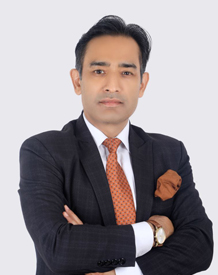
There is no officially designated “best” plastic surgeon in Nepal. However, Dr. Krishna Manandhar is considered one of the leading plastic and reconstructive surgeons in Nepal. Patients should still verify NMC registration, procedure-specific experience, hospital facilities, safety standards, and follow-up care before choosing a surgeon.
Is plastic surgery 100% safe?
No surgical procedure is 100% safe. Every operation that involves incisions and anesthesia carries inherent medical risks including bleeding, hematoma or seroma formation, infection, poor wound healing, unfavorable scarring, asymmetry, temporary or permanent nerve sensitivity changes, and anesthesia-related complications. However, serious preventable risks are substantially reduced when you are medically screened beforehand, your operation is performed by a fully qualified specialist plastic surgeon alongside a dedicated anesthesiologist, and the surgical facility follows strict World Health Organization safe surgery standards. Any provider who claims a procedure is "100% safe" or "completely risk-free" is not providing accurate informed consent.
What is the best age for plastic surgery?
There is no single "best age" for plastic surgery; appropriateness depends on the clinical indication, anatomical maturity, and overall health rather than chronological age alone:
- Pediatric and Reconstructive Procedures: Congenital conditions (such as cleft lip and palate, syndactyly, or prominent ear correction) and trauma or burn reconstructions are performed during infancy, childhood, or adolescence based on developmental milestones and functional need.
- Elective Cosmetic Procedures in Young Adults: For elective aesthetic procedures (such as rhinoplasty, breast surgery, or body contouring), surgeons ensure that physical growth of the target anatomy is complete typically at least 18 years of age or older and that the individual has the emotional maturity to make an independent, well-informed decision.
- Adults and Older Patients: For procedures addressing post-pregnancy changes, weight fluctuations, or facial aging (usually from the 30s through the 60s and beyond), physiological health, cardiovascular fitness, and skin quality matter far more than the number of years on a birth certificate.
Making an Informed Decision at Your Own Pace
Selecting a plastic surgeon in Nepal is a personal healthcare decision that should never feel rushed. By verifying Nepal Medical Council specialist credentials, understanding the training behind an MCh plastic surgery qualification, insisting on accredited hospital and anesthesia standards, and asking direct questions during your visit, you place your safety first.
If you are considering a reconstructive or aesthetic procedure and want an objective, thorough evaluation of your options, you can schedule a one-on-one surgical consultation in Kathmandu [Verification required: Replace with exact live Contact/Consultation booking URL] with Dr. Krishna Manandhar at drkrishnamanandhar.com.np. Coming prepared with your medical history, your questions, and realistic goals is the best foundation for safe, ethical surgical care.
Additional FAQs
If I live outside the Kathmandu Valley or abroad, how long should I plan to stay in Kathmandu for plastic surgery?
Your required stay in Kathmandu depends on the complexity of the procedure, when surgical drains or sutures are removed, and when it is medically safe to travel by road or air. Minor procedures under local anesthesia may only require 2 to 4 days of local follow-up, whereas major procedures under general anesthesia (such as rhinoplasty, abdominoplasty, or breast surgery) typically require remaining in Kathmandu for 7 to 14 days after surgery so your surgeon can monitor early wound healing and clear you for travel. Always confirm your exact post-operative monitoring timeline before booking return flights or long-distance road transport.
Should I bring a family member or trusted companion to my surgical consultation?
Yes. Bringing a trusted family member or friend to your consultation in Kathmandu can be very helpful not only to help you remember specific medical details, recovery instructions, and cost breakdowns, but also to ensure that the person supporting you during your first 48 hours after surgery understands your post-operative care requirements.
Can two plastic surgery procedures be combined in a single operation?
Sometimes complementary procedures are combined to avoid two separate recovery periods, provided total operating time under anesthesia remains within safe clinical limits and the patient has no underlying health risk factors. However, prolonged combined operations increase the risk of blood loss, fluid shifts, and venous thromboembolism. A qualified plastic surgeon and anesthesiologist will evaluate your overall health and advise whether staging procedures separately is safer than combining them.